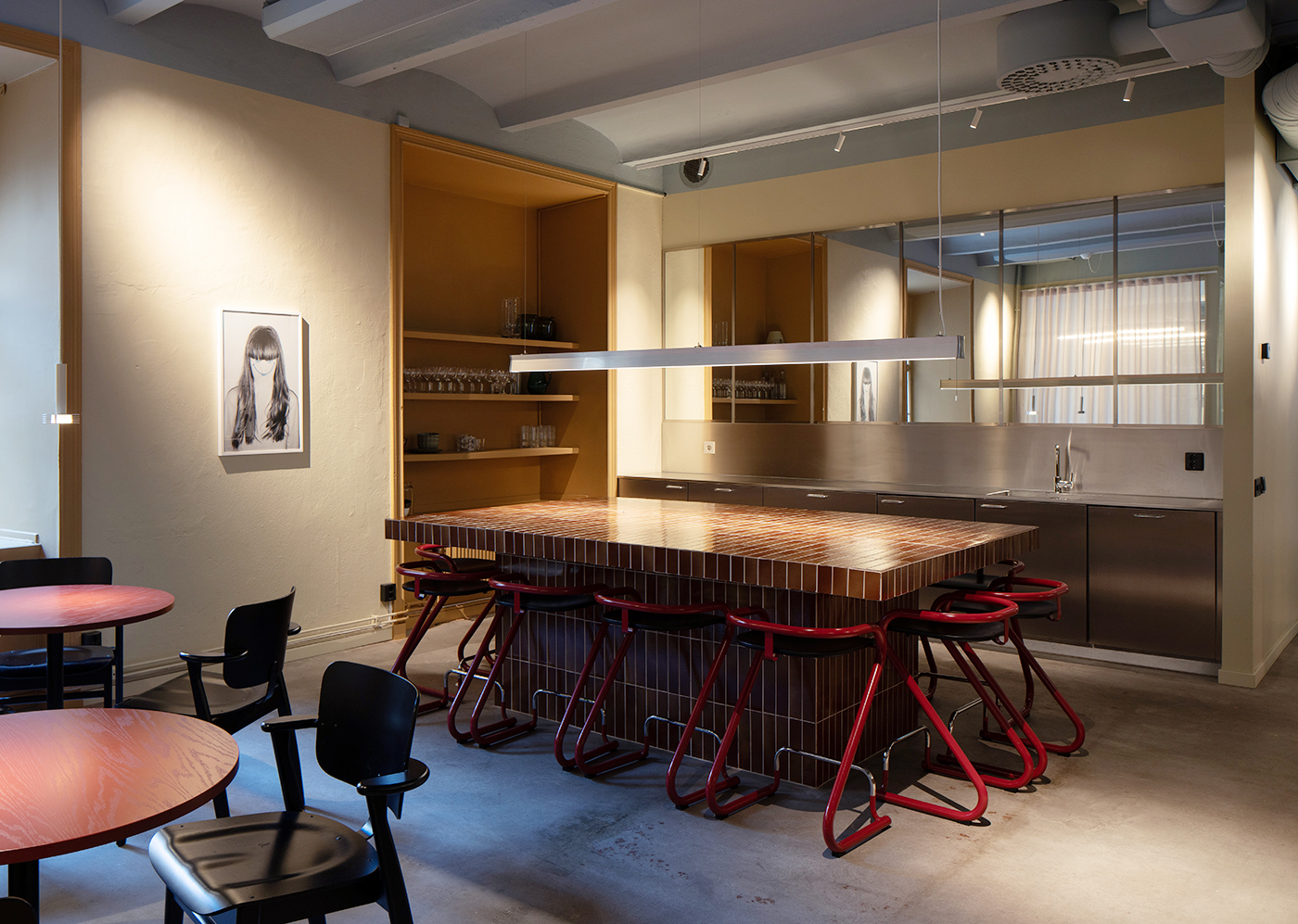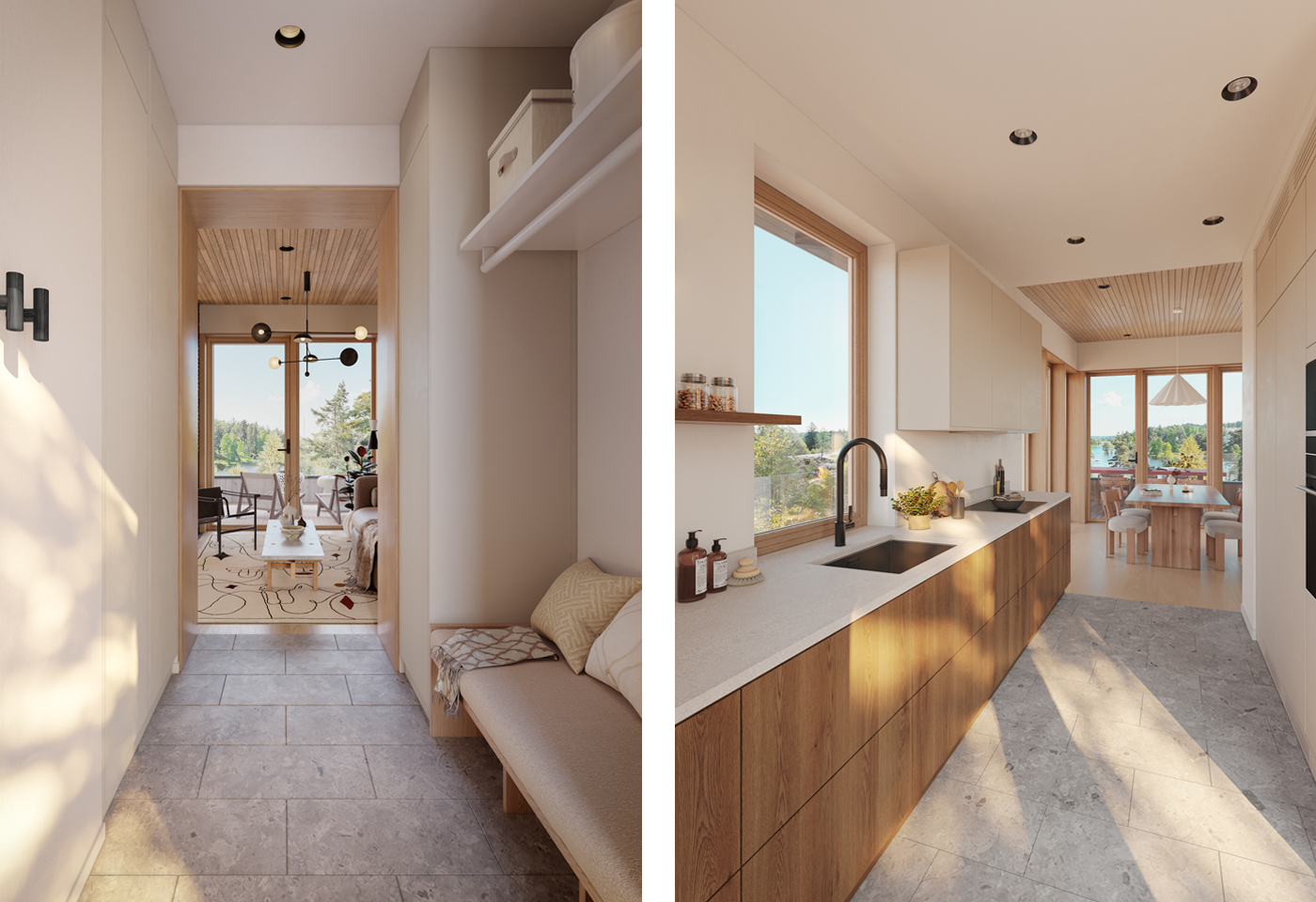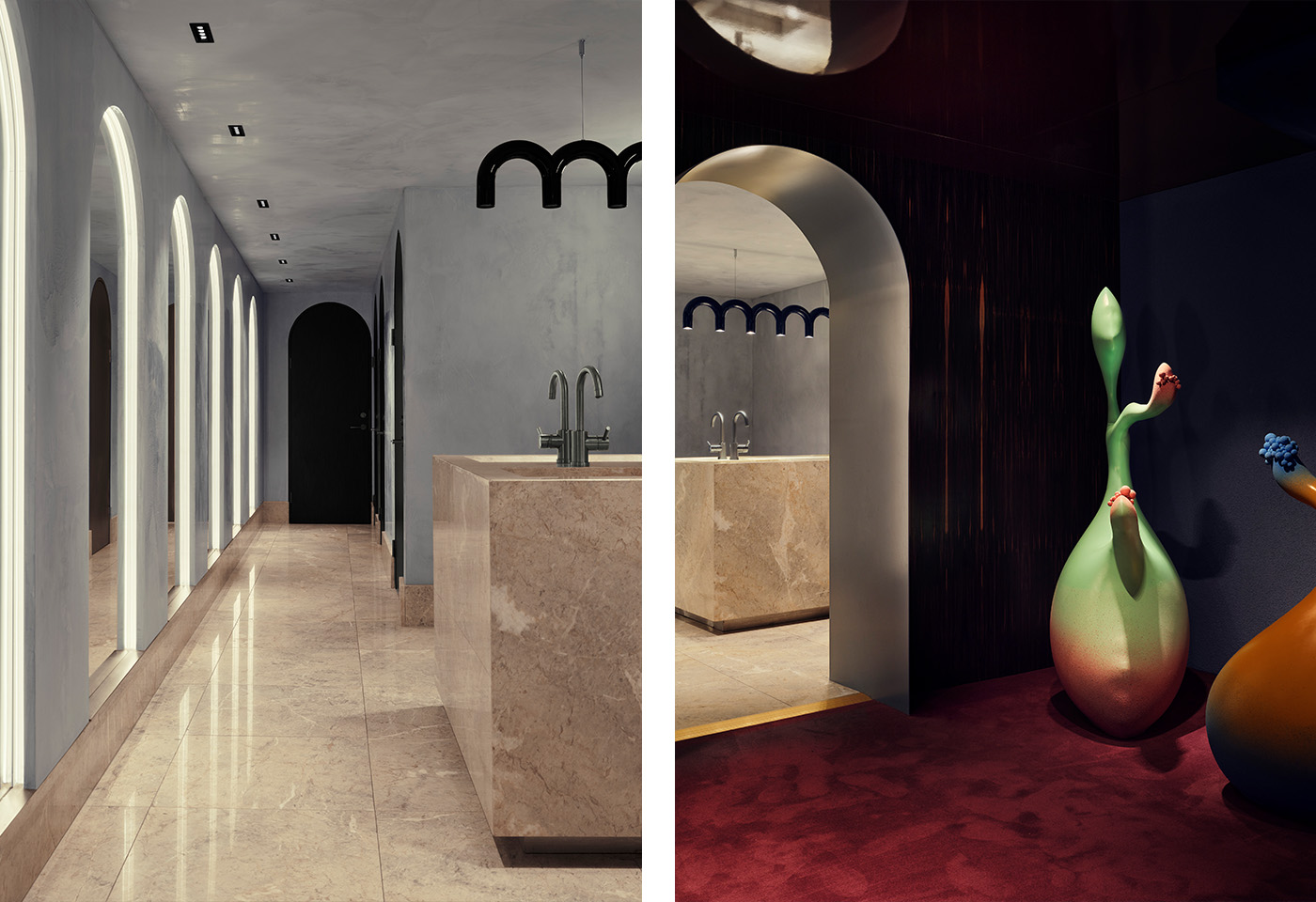
There is a shortlist we return to. Oiled oak. Lime plaster. Unpolished stone. Solid brass, allowed to darken. Wool that softens under use. Vegetable-tanned leather that records the hand. Nothing on this list is unusual. What they share is a willingness to keep changing after the project is delivered — to record the light and the wear of the years, rather than resist them.
Oiled oak is our default floor. It scratches, of course. That is the point. A scratched oak floor two years in has begun to be the client's floor, not ours. Lacquered oak resists the same wear and holds itself apart from the room; a decade in it will need to be sanded back and started again. The oiled floor asks for a rag of oil once a year and, in return, ages continuously and quietly.
“Each of these materials asks something of time, and gives something back.”
Lime plaster is chosen for the same reason. Painted walls sit on top of a surface; lime plaster is the surface. It absorbs light, holds a faint variation across its plane, and picks up a patina from the room around it. It also forgives. A scuff on a painted wall is a scuff; a scuff on lime plaster becomes part of the wall within a season.
Brass we specify unlacquered, always. The first six months are difficult — the client sees fingerprints where they expected polish, and we have to hold the line. By year two the brass has darkened into a soft, uneven bronze that reads as an artefact of use rather than a hardware order. It is the same argument as the oak floor: allow the material to become itself in the room.
The exceptions we make to this list are almost always for reasons of use, not appearance. Stone in a bathroom needs to be sealed. Timber near a fireplace needs to be honest about heat. Wool in a project with a dog will need to be a tighter weave. These are the daily negotiations. The direction, though, is consistent — toward materials that are still becoming when we leave the site, and that will keep becoming long after.