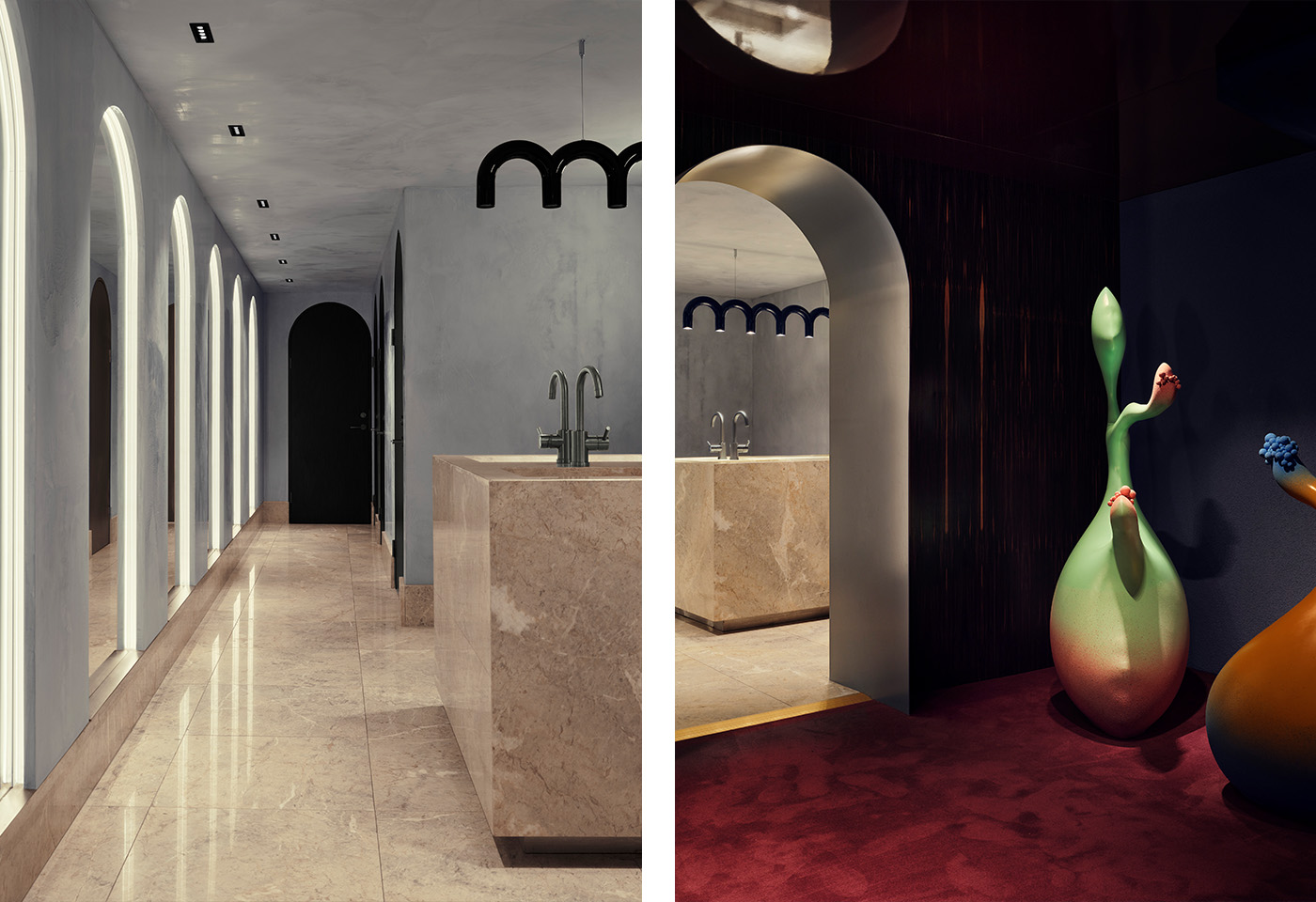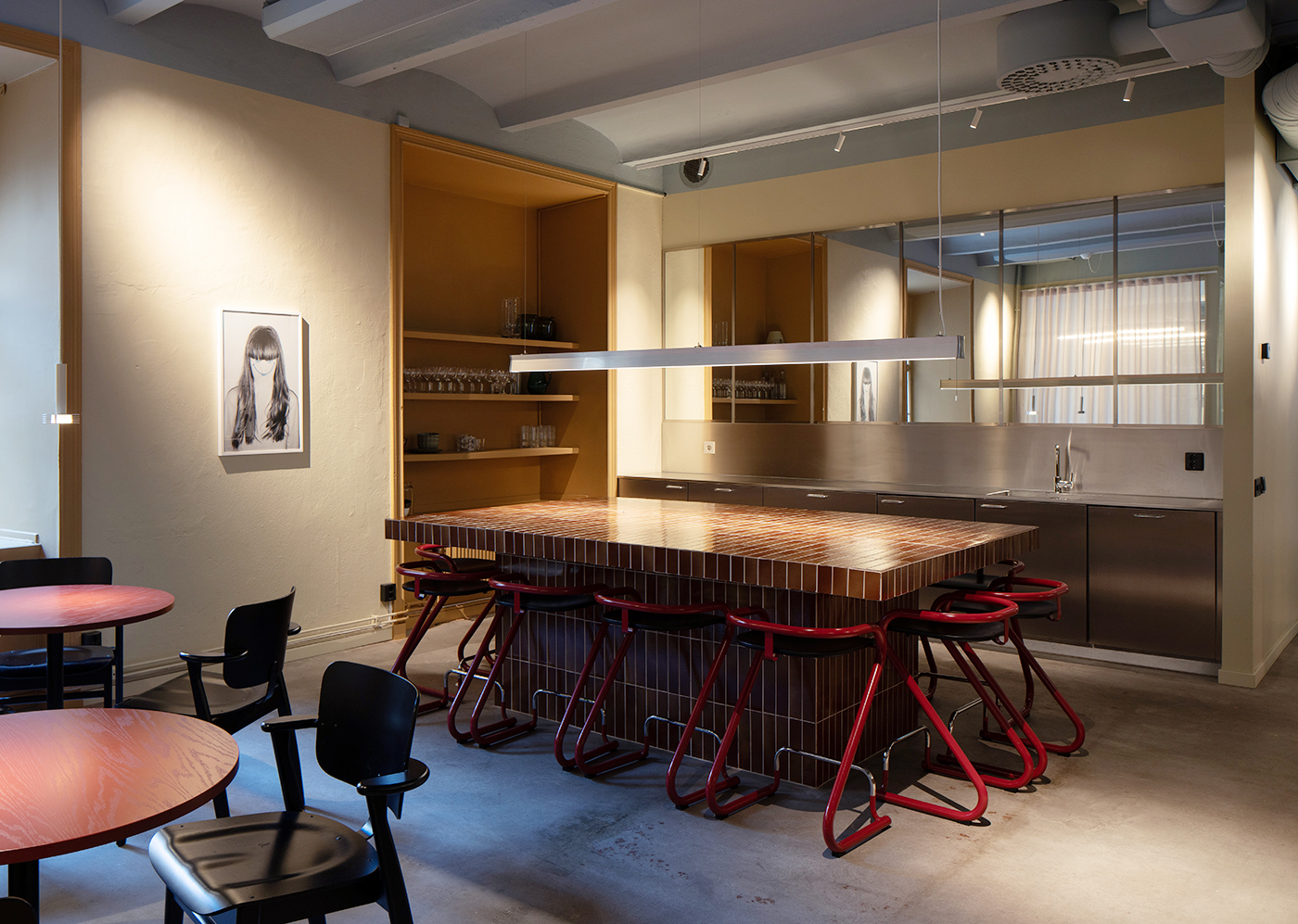
Restraint is often mistaken for austerity. It is not. A restrained room is a generous one — it has left space for the people who live in it, for the objects they will bring, for the years that will pass over it. Austerity subtracts and calls it a virtue; restraint subtracts and hands the room back to its occupants.
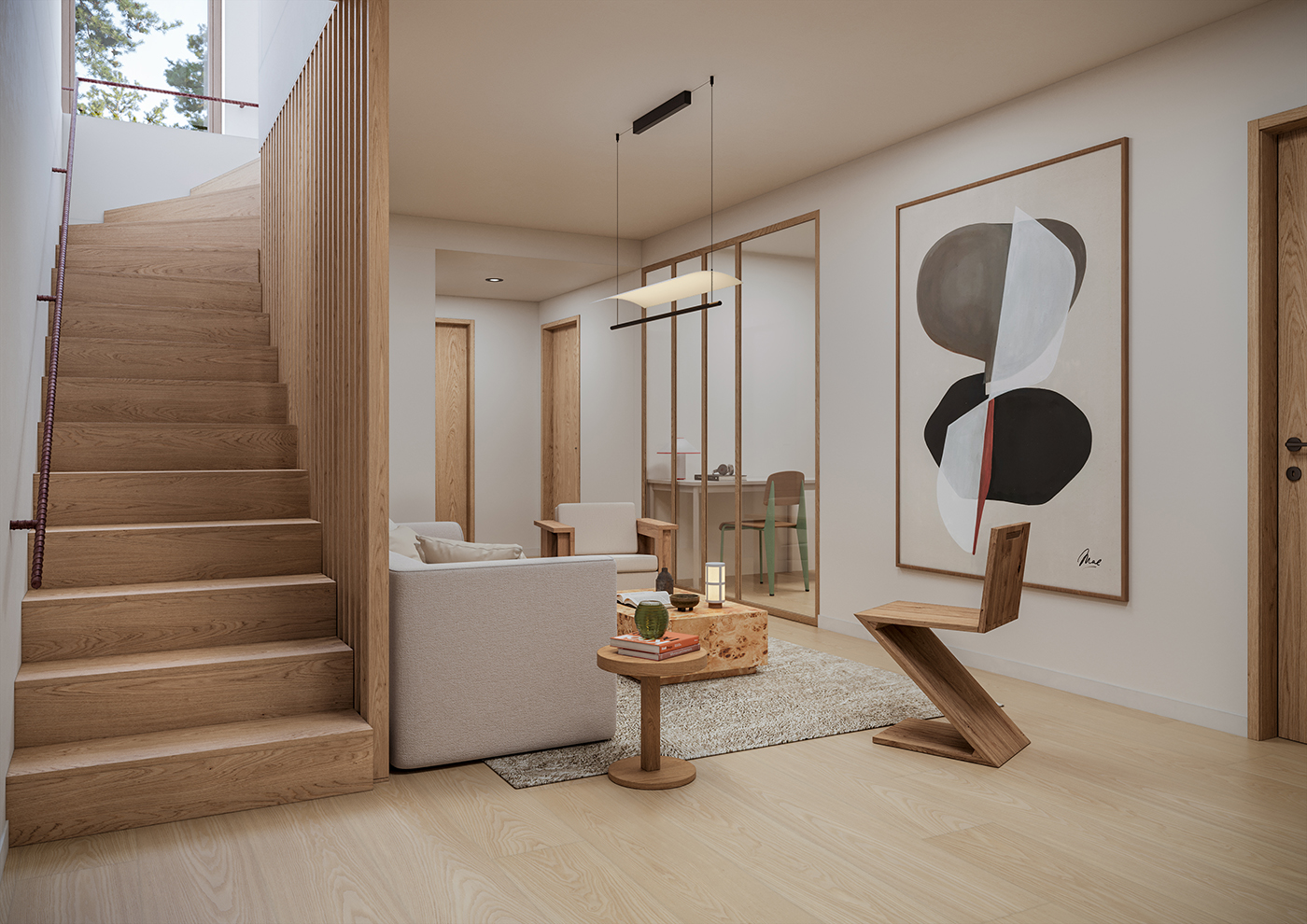
The reduction is never the point. The point is what the reduction protects. A single, uninterrupted plane of oak protects a view of the garden. A neutral wall protects the painting that will one day hang against it. A quiet ceiling protects the conversation happening beneath it. What we take away is always in service of something we want the room to hold.
“The measure of a project is not the number of ideas it contains — it is the confidence with which the unnecessary ones were removed.”
The hardest edits are usually the ones the client has already fallen in love with. A wall treatment they saw in a magazine. A pendant that would look striking in the render. A colour that would photograph well but would tire, in that specific room, by the second winter. Part of the work is being willing to say, gently, that the room will be better without it — and then earning that trust by making sure it is.
There is also a commercial dimension we do not often talk about. Restrained rooms depreciate more slowly. A house that has not been over-specified in the fashions of its year does not date on the same schedule as one that has. Two decades on, the restrained project reads as considered; the over-designed one reads as of its moment, and asks to be redone.
That is the argument for restraint we make to ourselves, quietly, at the start of every project: leave the room enough space to still be believed in ten years.